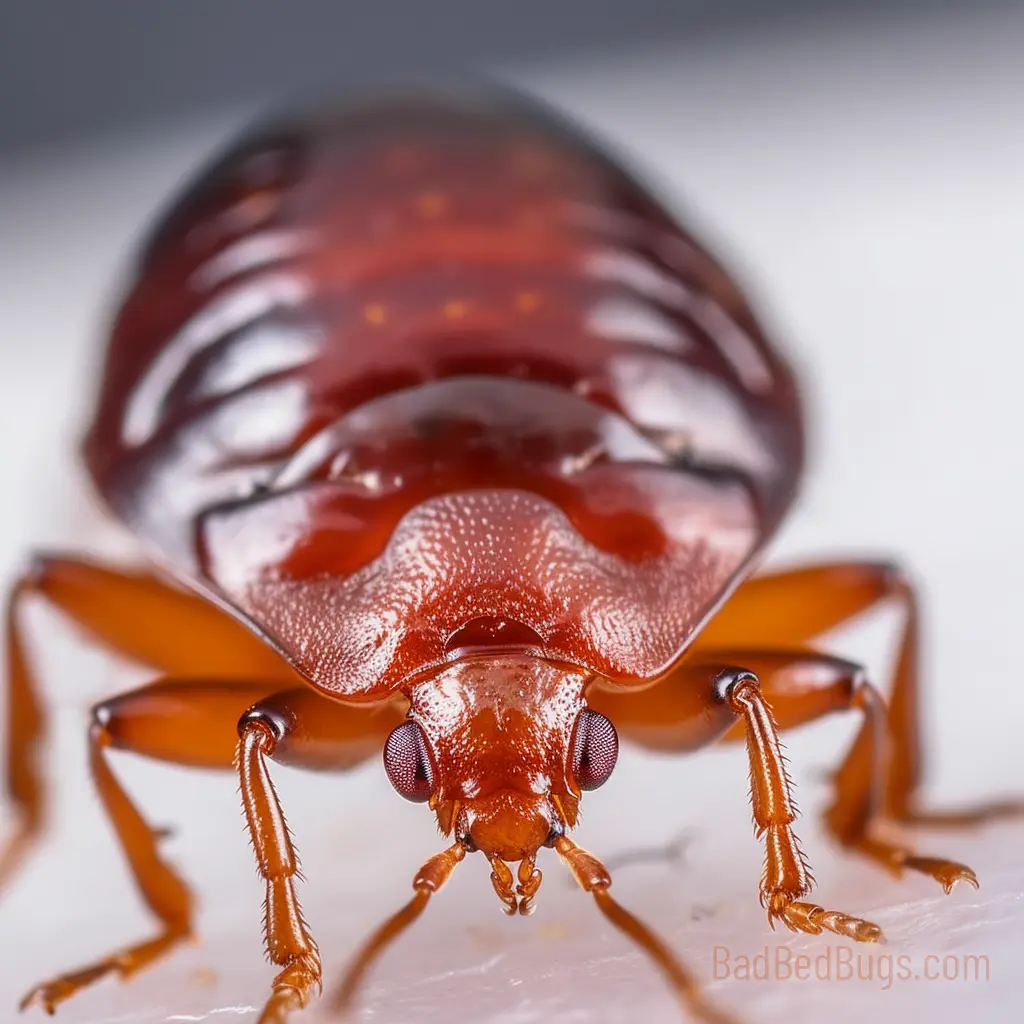
Bed bugs are excellent at hiding and attack when you are most vulnerable; this site will show you how to locate these bugs, how to treat bites and how others have successfully performed their own bed bug treatment. If you're looking for photos of bed bugs and infestations, our extensive collection from visitors around the world is a must see; if that doesn't scare you, then take a look at just how much damage bed bug bites can do to your skin!
Our hotel bedbugs section helps you to avoid places that are known to be infested and what you should do if you wake up covered in bites. Using the few simple precautions mentioned in our bedbug checklist can help you find these elusive blood suckers and prevent the nightmare from ever happening in the first place!
Finding bed bugs in your home has nothing to do with poor hygiene! It takes only one bed bug to hitch a ride on your clothing (furniture, suitcase, etc) and infest your residence. What's worse is that they can live up to one year without drinking a drop of your blood (see our bed bug life cycle). Feeding takes about 10 to 15 minutes for adults and less for the nymphs; they feed about every three days. Depending on the conditions, bed bug nymphs can survive for months without feeding.
Bed Bugs are insects, more specifically, 'True Bugs', which have piercing mouthparts that in most species are used for feeding on plants. Unfortunately, there are some species of bugs with mouthparts that have been adapted to feed on human blood while inflicting very little pain (most never feel the blood feeding).
The eggs are white and about 1mm long. The nymphs look like adults but are smaller. Complete development from egg to adult takes from four weeks to several months depending on the temperature and amount of feed available, see the lifecycle chart on your right.
How do you know if you have bed bugs?
Bed bug bites are the best way to determine if you have bedbugs. In the photo below you'll see a visitor who was bitten by bedbugs; he itched throughout the night and when he went in to check, this is what he found!
Although the image to your left is a severe reaction, you may find that your bites are not this bad; not everyone reacts the same to bites. The grouping is a good sign and you should start checking for mold like spots on your mattress.
If you have such a reaction, check with your doctor who may recommend an antihistamine or topical cream to relieve any itching and or burning. Do not scratch the bites as this may lead to infection!
Bed Bug Help
Our Bed Bug discussion has thousands of stories and pictures of people bitten by bed bugs that include helpful insights such as how to treat bed bug bites, how you get bed bugs and how to kill bed bugs. If have bite marks on your body and are looking to determine what bit you, check out what do bed bug bites look like? section, it can be a big help! If you have a picture, please send it in and we'll post it for others to comment on - not to worry, we'll crop the picture so that only your bite shows, so don't fret about the details.
If after viewing our checklist you still can't find bugs but suspect that you have them, why not make your own bed bug trap which costs less than $10 and can put an end to the guessing! Our Bed Bug Treatment section covers in detail the methods used to get rid of these bugs and our Frequently Asked Questions (Bed Bug FAQ) covers the most common questions our visits ask.
Quick tips to help remove bed bugs
You'll find detailed instructions how to get rid of bed bugs naturally within this site, including what works and what doesn't; a very basic overview would be sealing your mattress and pillows with a plastic or hypoallergenic zipped cover. This traps the bugs that are inside your pillow and prevents them from feeding and kills them over time - remember, a nymph can live for two months without feeding, an adult can survive more than 12 months!
Do not apply any pesticide to mattresses or surfaces that would come in contact with the skin unless the pesticide specifically states that the product can be used in this manner. Food grade diatomaceous earth is an all natural pesticide and one of the best kept secrets in the war against bed bugs!
Wash all your linens and place them in a hot dryer for 20 minutes (or you can freeze them at -5 C or below for five days).
You can vacuum to capture bed bugs and their eggs, but because the eggs are embedded to the fabric, you may have to scrape the surface. Once you have vacuumed everything, immediately place the vacuum bag into a plastic bad, seal it tight and dispose (outside).
Seal items mentioned above to prevent the bugs from hiding. You can place glue boards or sticky tape around your bed and in the room to catch the bed bugs as the move around; this gives you a way to monitor the effectiveness of your efforts.
A few ways to prevent bed bugs from getting into your home include:
- Hang clothing in the closet farthest from the bed
- Place luggage on the folding rack found in most hotels
- Place luggage in the dry cleaning bag found in the hotel.
- Most important, don't bring home a mattress that has been used by unknown sources.
Have an infestation and not sure where to start? Want more information? Then start with our pest control page and read comments left by visitors and pay close attention to how they used Food Grade DE.
Perhaps you can help identify the bug bite left by a visitor or know of pest control method not mentioned? If so, please leave a comment and help out. Bedbug infestation is a frightening experience and knowing that others have been down the same road can really help, so please comment whenever possible.
Take a look around and enjoy the site!