Bed Bug Infestation
If you are trying to confirm a bed bug infestation, look for live bugs, sticky white eggs, shed skins, and black fecal spots in mattress seams, headboards, couches, and nearby cracks. The photos below show real infestations so you can compare what you are seeing and judge how far the problem may have spread.
Bed bugs are small and easy to miss, which is why infestations often go unnoticed until bites, spotting, or visible nesting turn up around the bed. If the photos below match what you are seeing, move straight to bed bug treatment before it gets another week to grow.
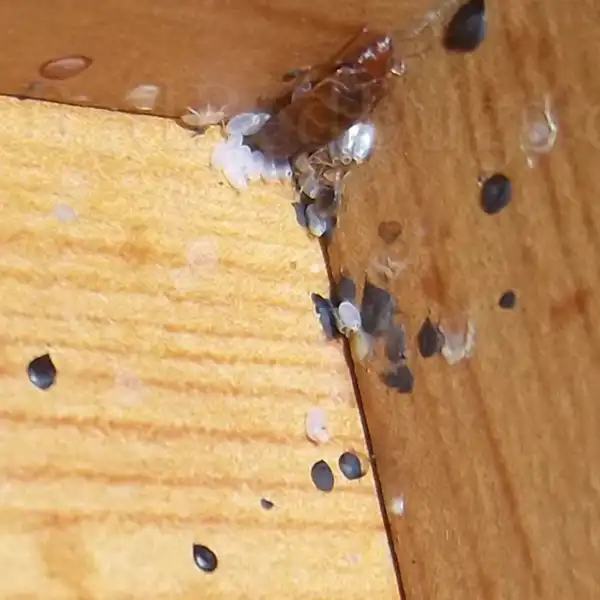
Adult bed bug, eggs and nymphs with black fecal spots in the corner of a wooden headboard
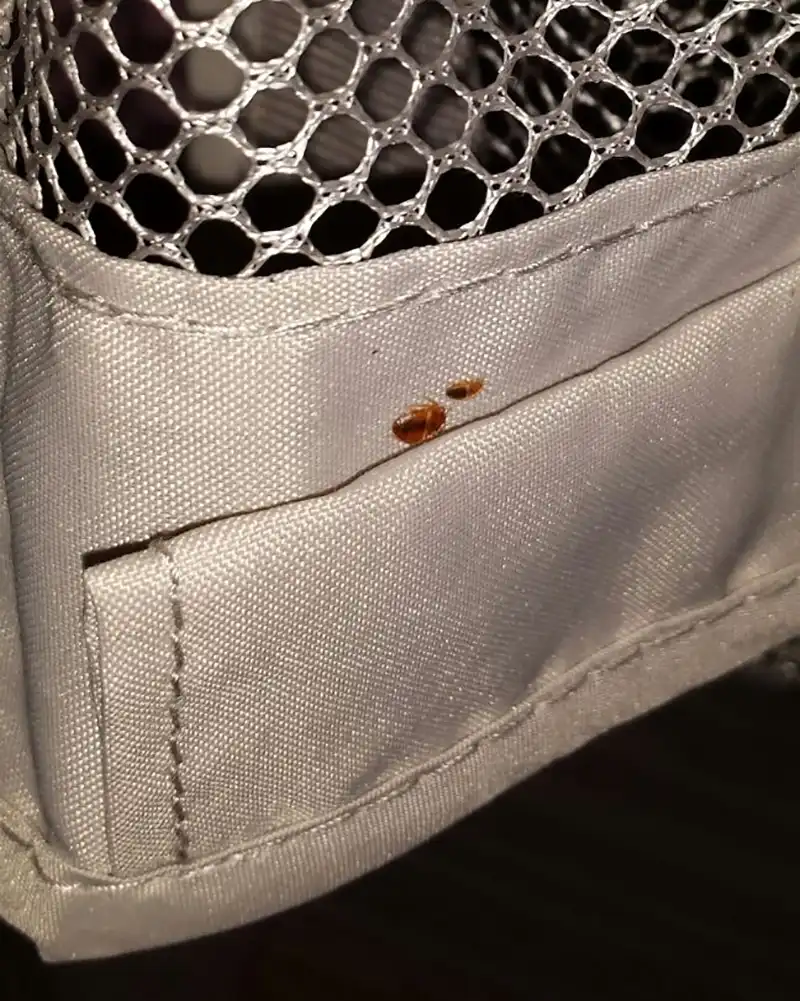
Two bed bugs on the fabric edge of a mesh baby crib
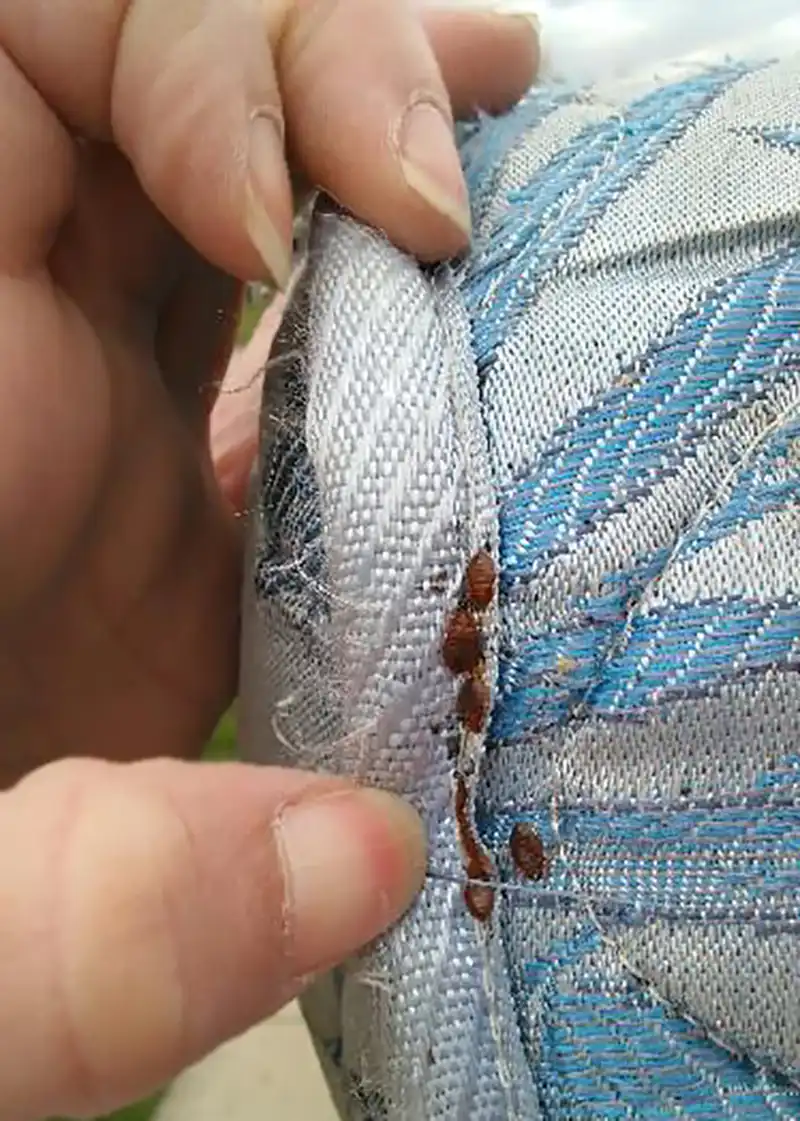
Bed bugs lined up inside a mattress seam held open with two fingers
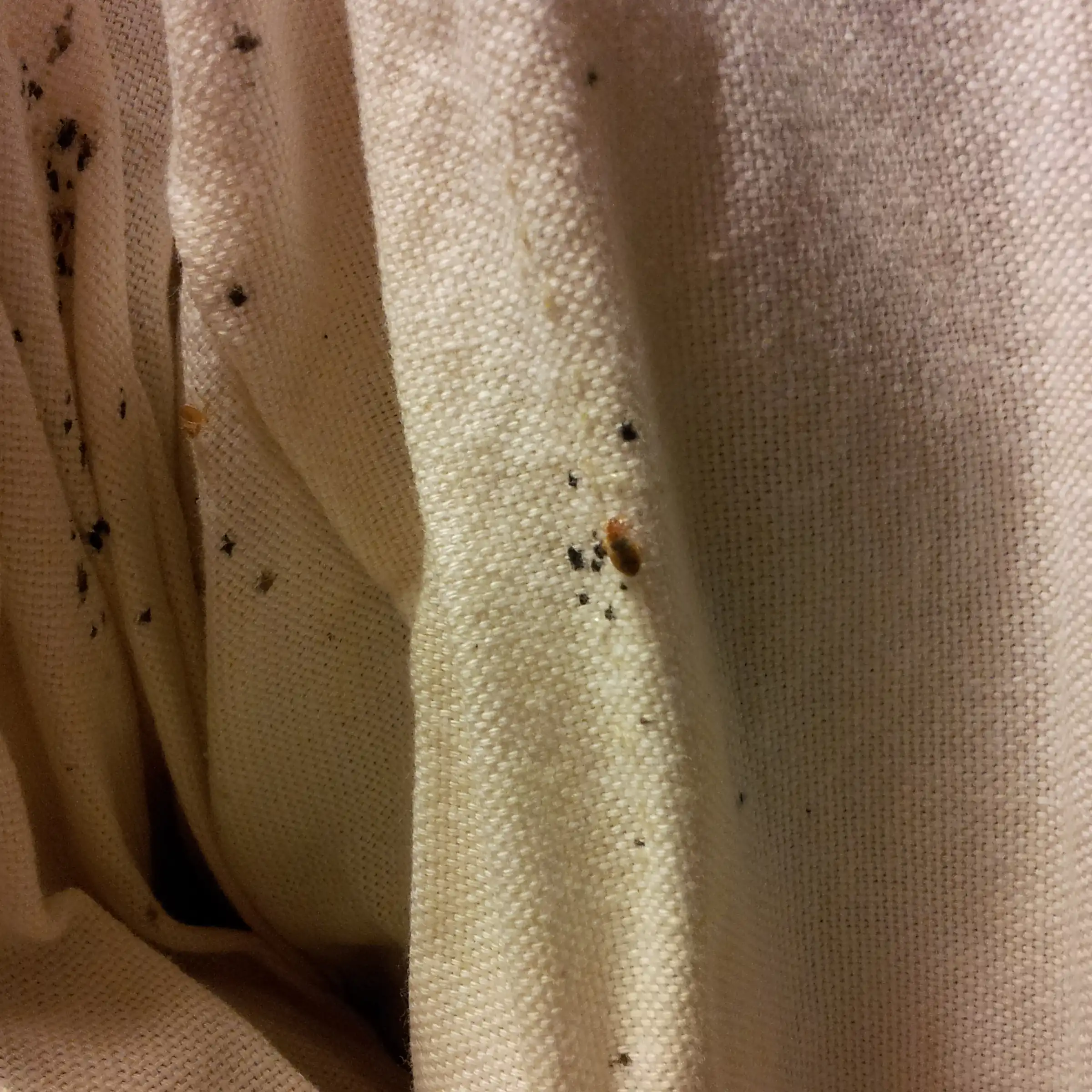
Bed bug nymph and black fecal spots on the fabric inside a piece of furniture
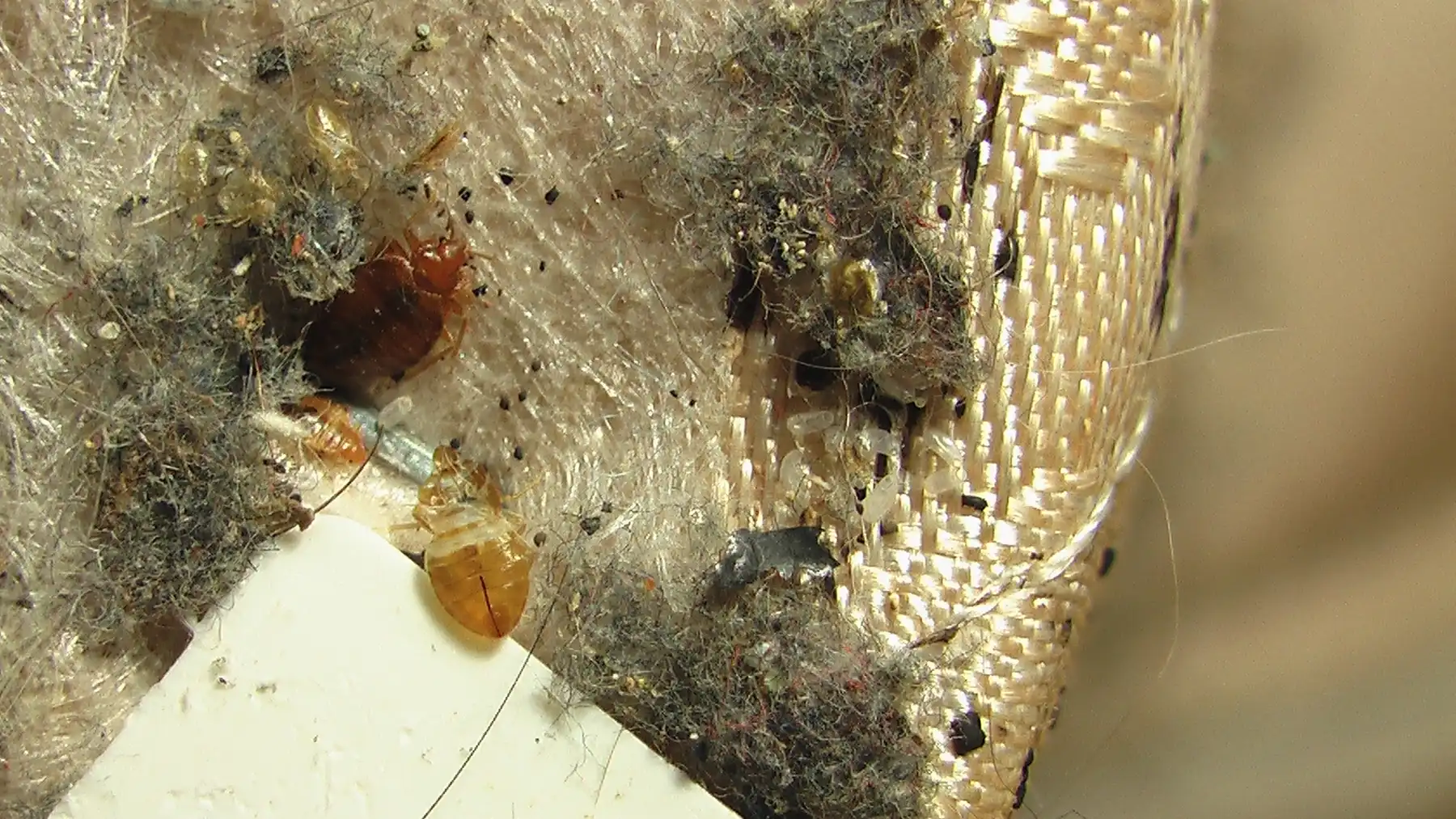
Adult bed bug, nymphs and eggs in the fibers of an infested box spring
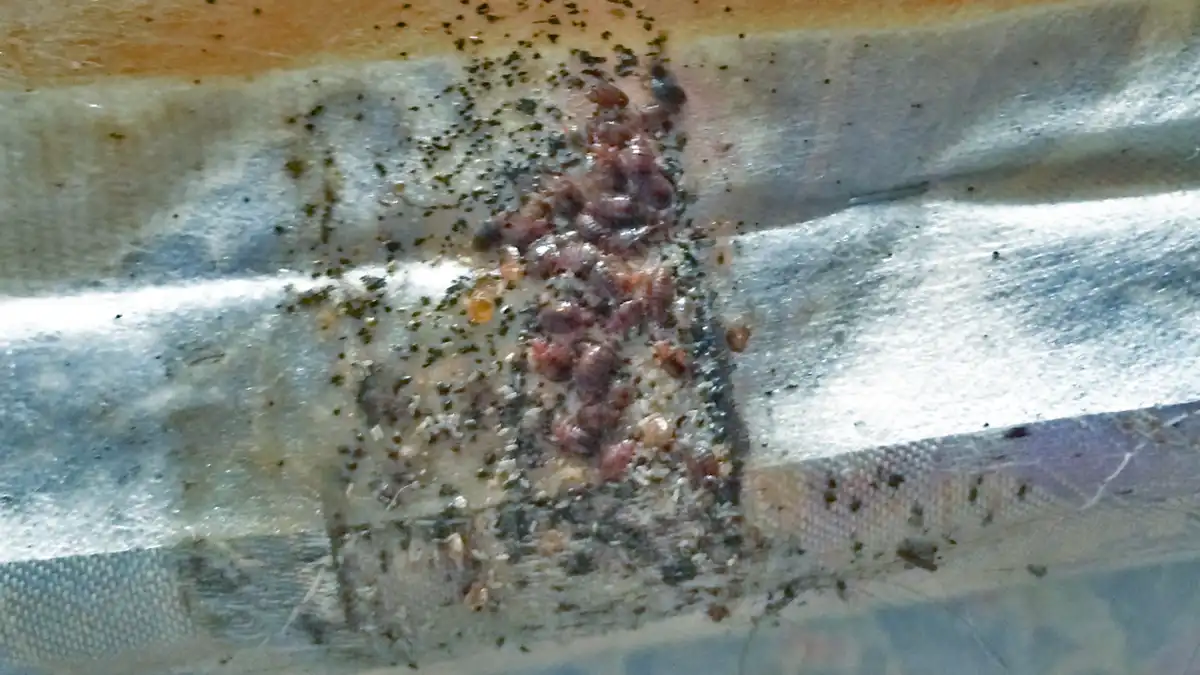
Dozens of bed bugs clustered on a mattress edge with heavy black fecal staining
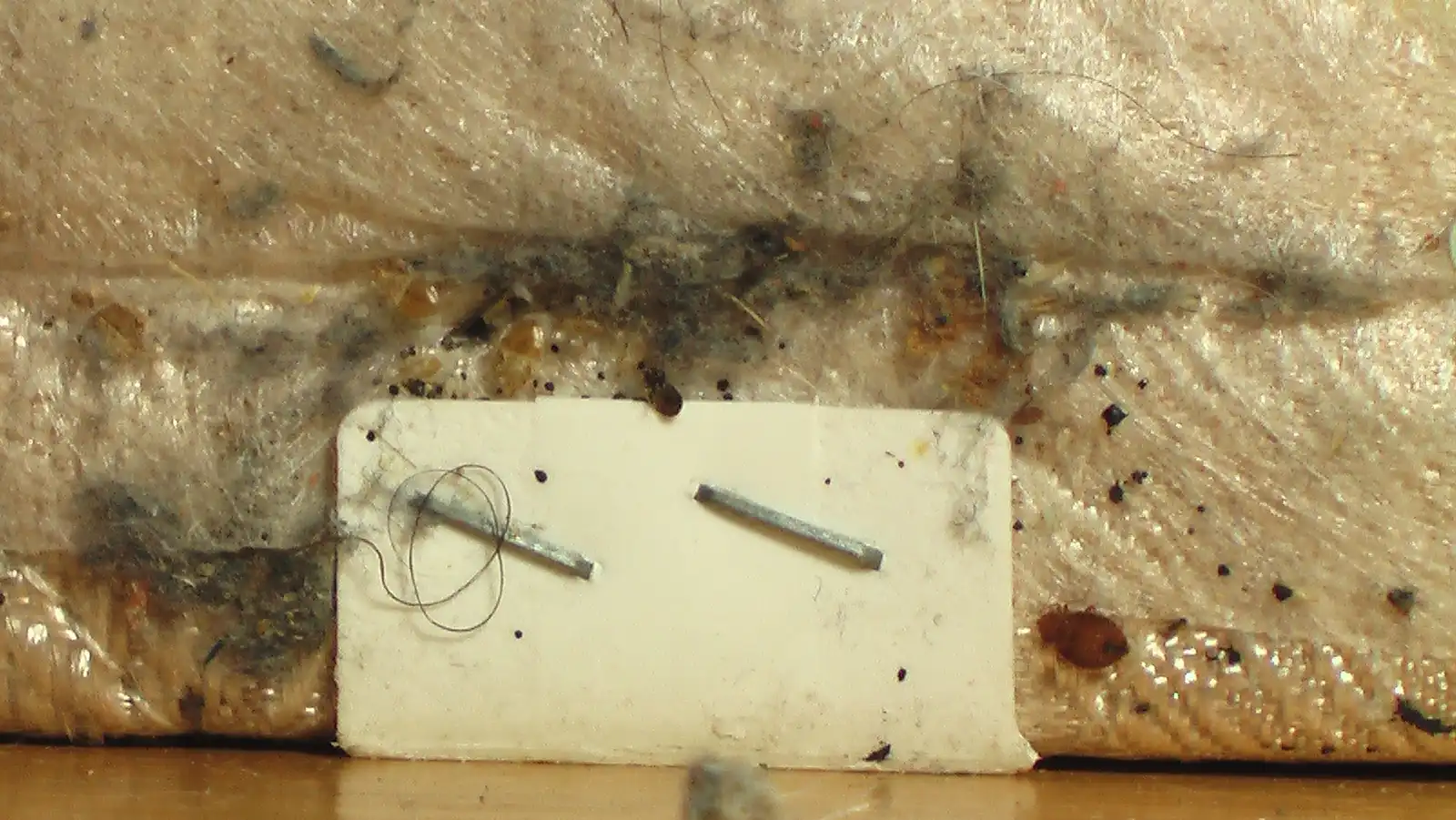
Bed bug eggs, shed skins and an adult around the label and staples at the edge of a mattress
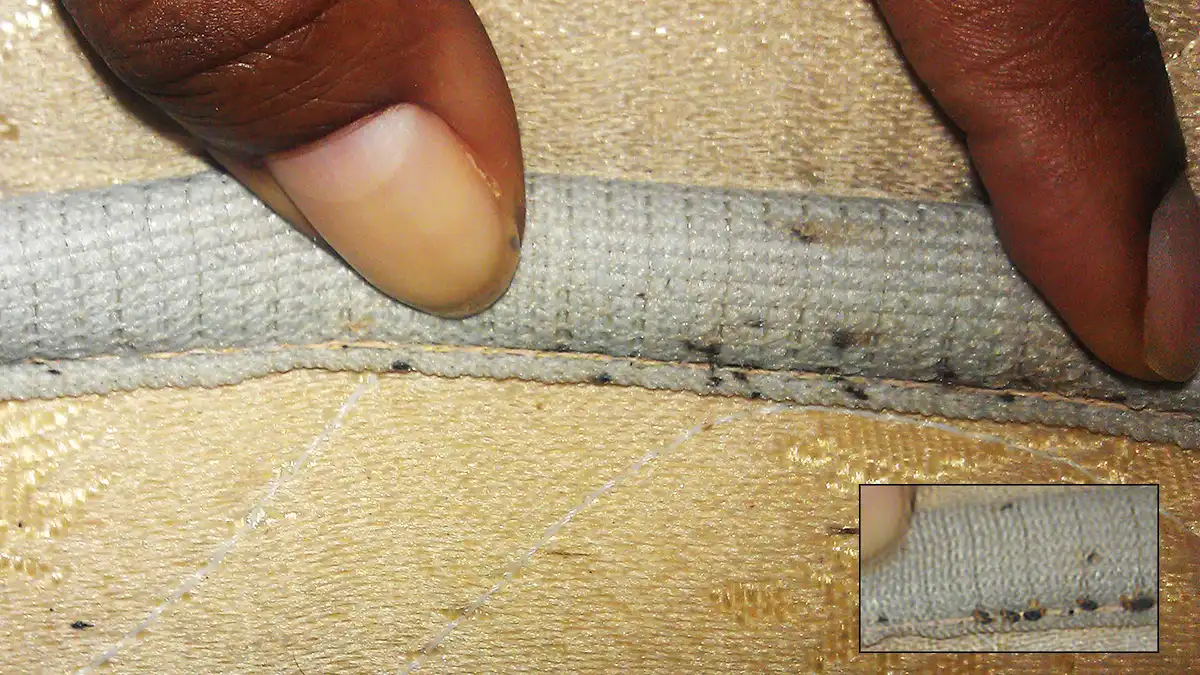
Black bed bug fecal spots along a mattress seam held open by a finger, with a magnified inset
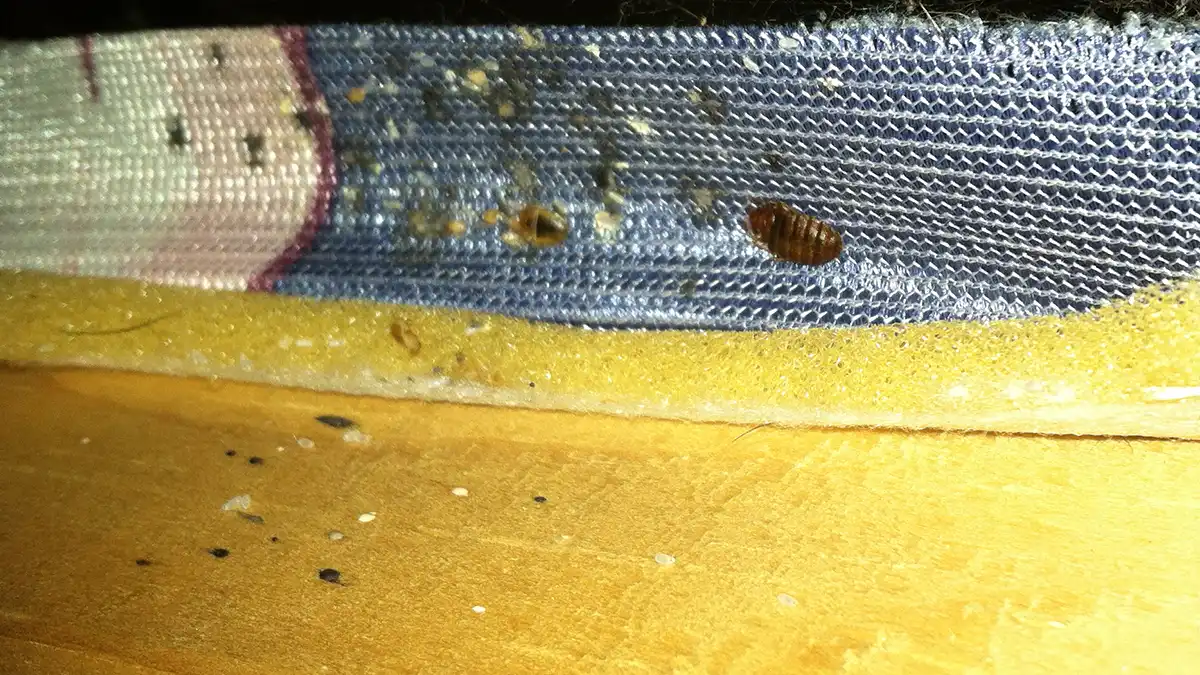
Adult bed bug and eggs on a striped box spring edge with fecal spots on the wood below
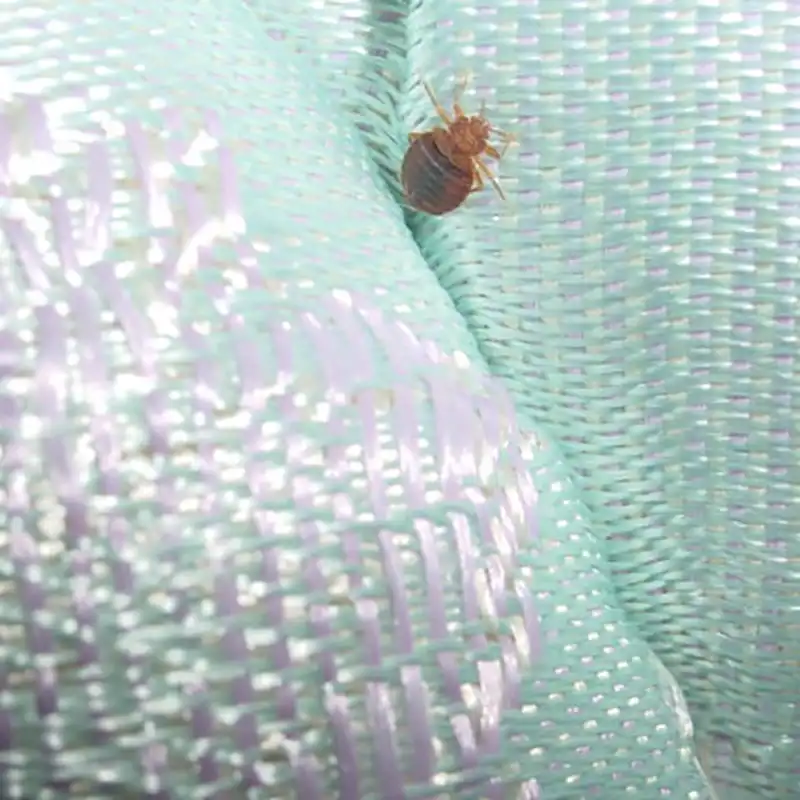
Adult bed bug crawling on turquoise woven fabric between two pillows
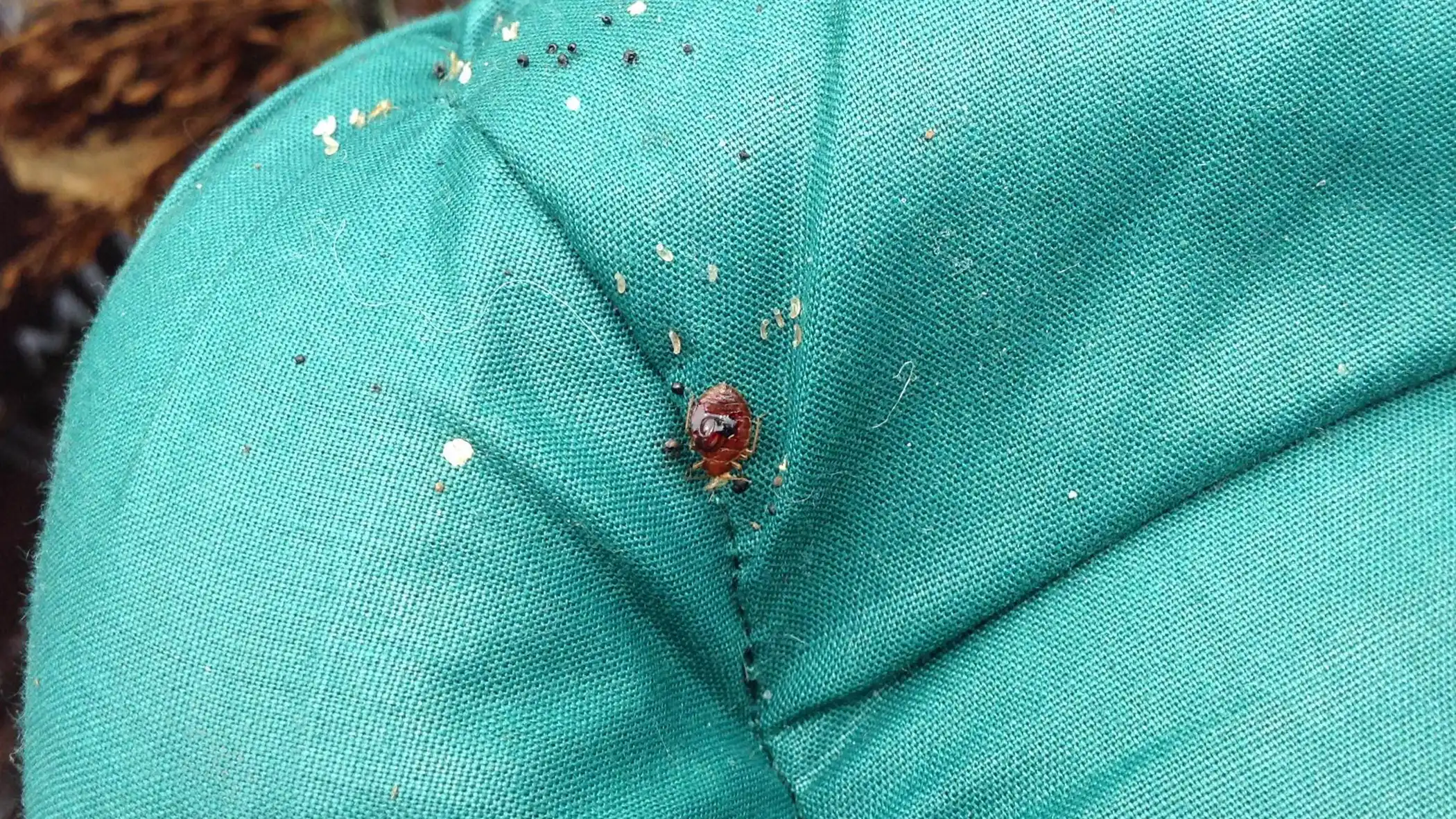
Adult bed bug, eggs and shed skins along the seam of a green cushion
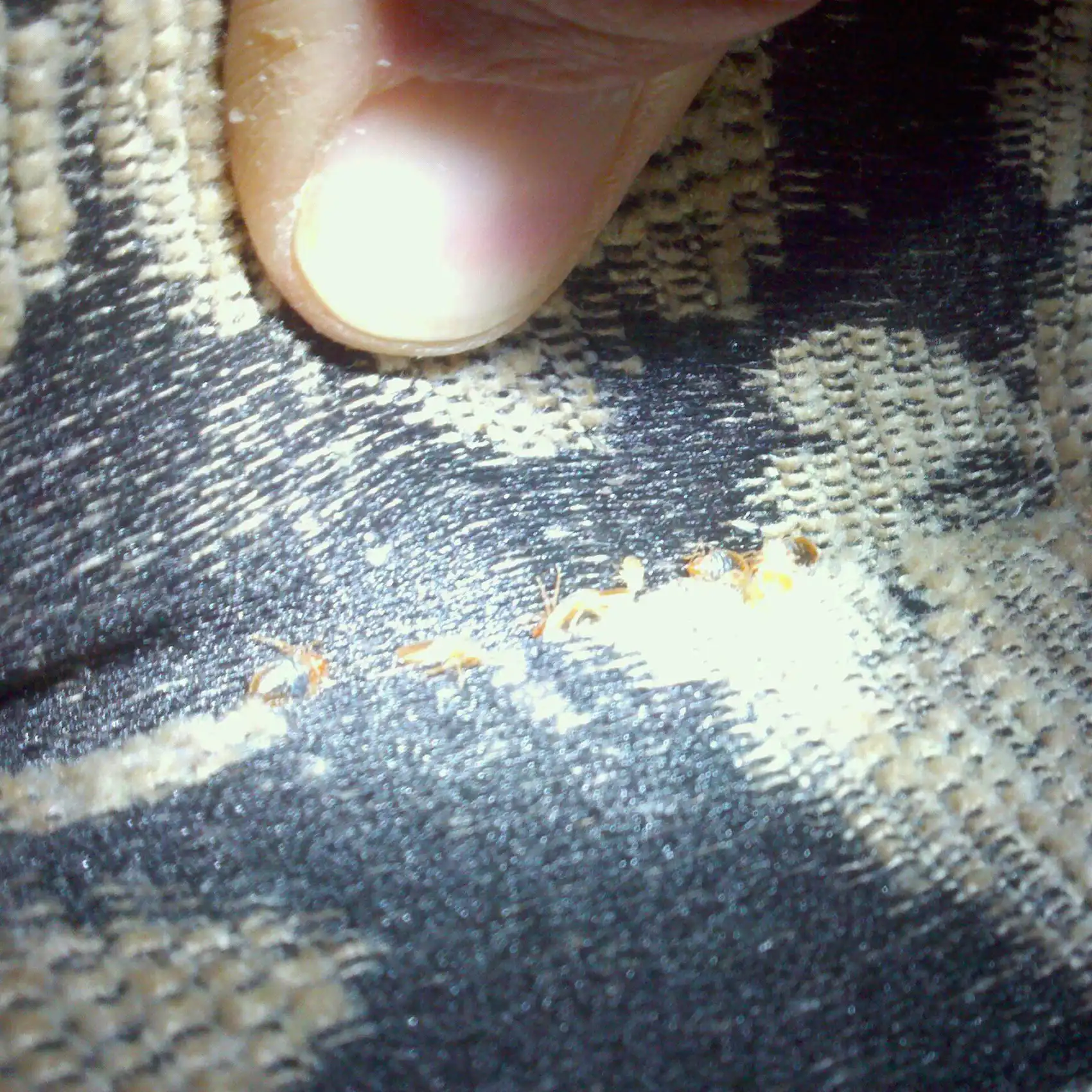
Group of bed bugs in the seam of patterned fabric, lit by a flashlight next to a fingertip
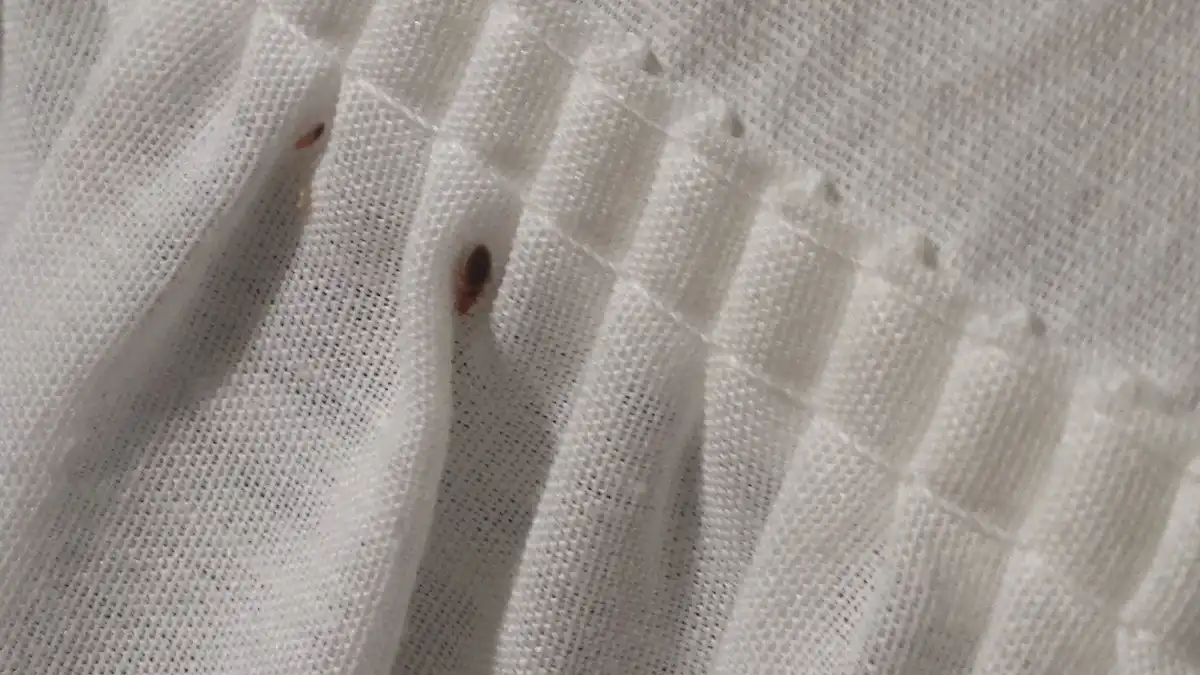
Two bed bugs on the pleats of a white window curtain
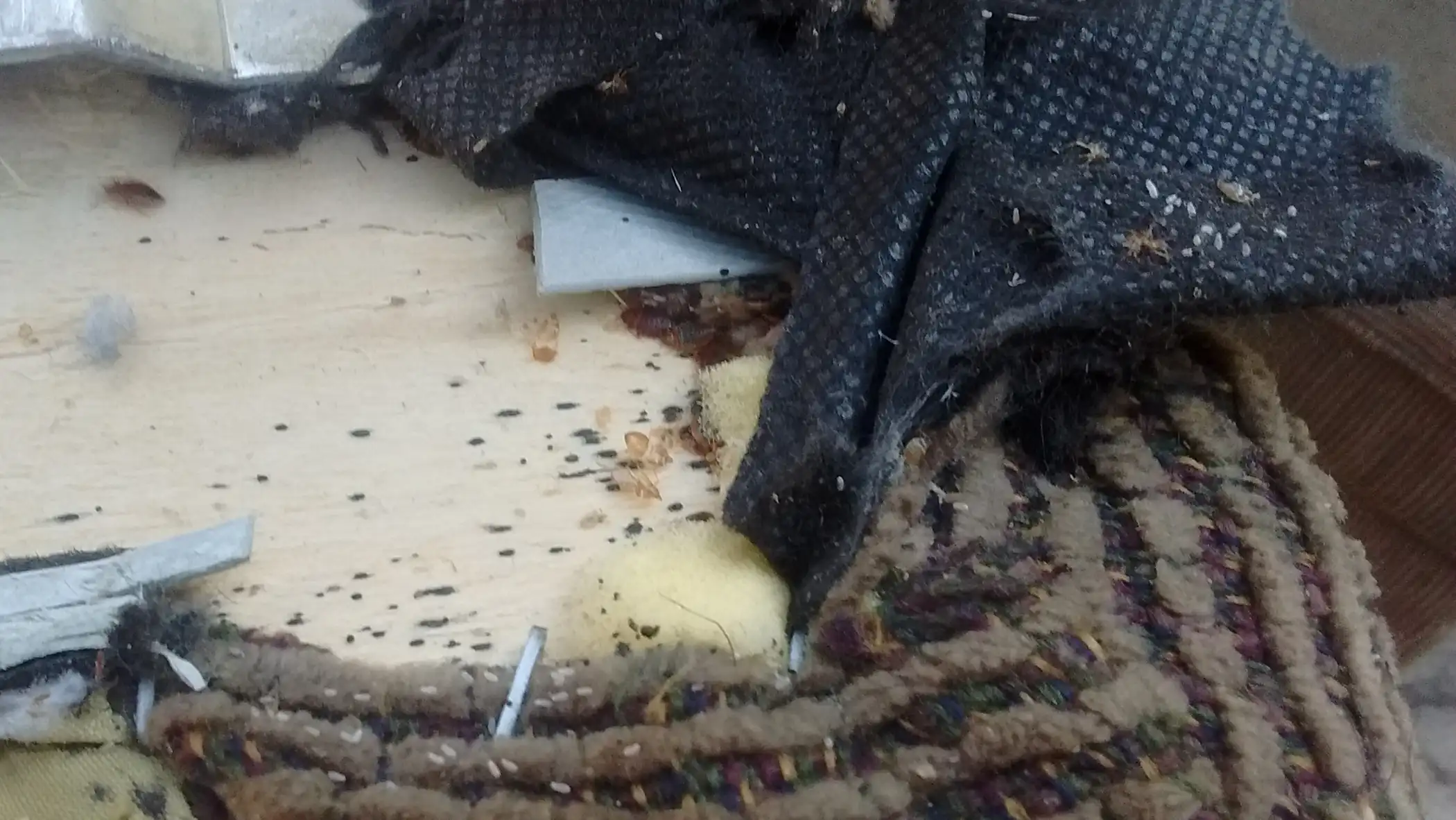
Couch frame with the upholstery pulled back showing bed bug eggs and fecal spots on the wood
A mattress is by far the most popular breeding ground for bed bugs. Let’s face it, you are food, and the folds of a mattress are close to your body. When the lights go out, and you start exhaling that carbon dioxide, it might as well be a big red sign that says “Now Serving.”
The first image shows an infestation of a bed headboard that had to be torn apart to take this photo. Next is a picture of a female bed bug, her eggs, and the baby (can you see it? Hint: it’s translucent).
The second photo is of an infested crib. The third is a mattress seam being pulled down to expose a nest.
In the fourth picture, you can see the telltale signs of a bad furniture infestation and the black dots indicating a lot of feeding and associated droppings.
Pictures of Infestations
The fifth and seventh images have everything going on in the nest. It took the person months to find these bugs.
One of the worst, the sixth photo, shows an infestation entirely out of control. I feel sorry for the people who sleep next to them!
Yet another mattress, image eight, shows how much bed bugs love seams! Number nine is an image of a box spring, while ten and eleven are pillow and cushion infestations.
The following two photos are self-explanatory. In the last picture, the couch had to be torn apart to see the extent of the infestation. Notice the white sticky eggs on the outside of the sofa; that indicates a lot more going on under the fabric, which shows adults, casings, droppings, and more.
Where do bed bugs come from?
A bed bug infestation usually starts when a few bugs hitchhike in from somewhere else. Common sources include used mattresses, couches, bed frames, and nightstands, luggage after hotel stays, and clothing, backpacks, or purses that were set on an infested bed or floor. In apartments and condos, bed bugs can also move in from a neighbor’s untreated unit through wall voids, baseboards, outlets, and shared hallways. They do not care whether a home is clean. They only need a place to hide close to people.
One reader shares exactly how he brought bed bugs home without realizing it – read Daniel’s story.
How do bed bugs spread?
Once bed bugs get inside, they spread by staying close to where people sleep and then moving outward as the infestation grows. A few bugs in one mattress seam can turn into bugs in the box spring, headboard, nightstand, couch, and baseboards if nothing is done. They lay eggs in hidden spots, and each new round of bugs creates more places to inspect and treat. In apartments and hotels, they can also move through wall voids, around pipes, and behind outlets into nearby rooms, which is why early treatment matters.
Bed bug infestation myths & misconceptions
A lot of people lose time because they start with the wrong assumptions. These are some of the most common myths, and what is actually true:
- Myth: Bed bugs only infest dirty homes. Fact: Clean homes get bed bugs too. Clutter can give them more places to hide, but cleanliness does not stop them from hitchhiking in on luggage, used furniture, clothing, or bags.
- Myth: If you cannot see bed bugs, you do not have them. Fact: Early infestations are easy to miss. Many people first notice bites, black fecal spots, shed skins, or tiny blood marks before they ever see a live bug.
- Myth: Throwing out the mattress solves the problem. Fact: Bed bugs often hide in the box spring, bed frame, headboard, nightstand, couch, baseboards, and nearby cracks. If you only remove one item, the infestation usually stays behind.
- Myth: Bug bombs and foggers wipe out bed bugs. Fact: These products usually do not reach the deep hiding spots where bed bugs stay. In some cases they scatter the bugs and make the infestation harder to control.
If these infestation pictures match what you found, use our bed bug inspection checklist to search the rest of the room, then move to our how to get rid of bed bugs guide for the next step.