Bed Bug Dust: A Desiccant Dust Guide for Bed Bugs

Bed bug dust usually means a desiccant dust such as diatomaceous earth or silica gel that damages a bed bug’s protective outer layer and dries it out over time. These products are generally low toxicity to humans when used correctly, but they are not harmless and should be used only as labeled. Bed bug dust can help in cracks, crevices, and other hiding spots, but it works best as part of a larger treatment plan, not as a standalone fix. If you need the full process, start with our how to get rid of bed bugs guide.
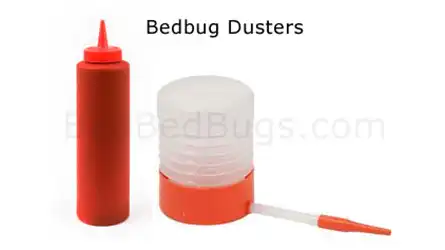
Red bed bug duster made from plastic ketchup squeeze bottle.

How to Use Bed Bug Dust Safely

If you want bed bug dust to help, start with an EPA-registered desiccant dust that is labeled for bed bug control. Some registered products use diatomaceous earth and others use silica gel. Read the label before you apply anything, because the label tells you where the product can go and how much to use.

Application Method

The goal is a light application placed exactly where bed bugs hide and travel. A hand duster works well, and a simple squeeze bottle duster can also work if it lets you place a small amount into narrow spaces without blowing dust into the air. More is not better. You want a thin layer in hidden areas, not visible piles.
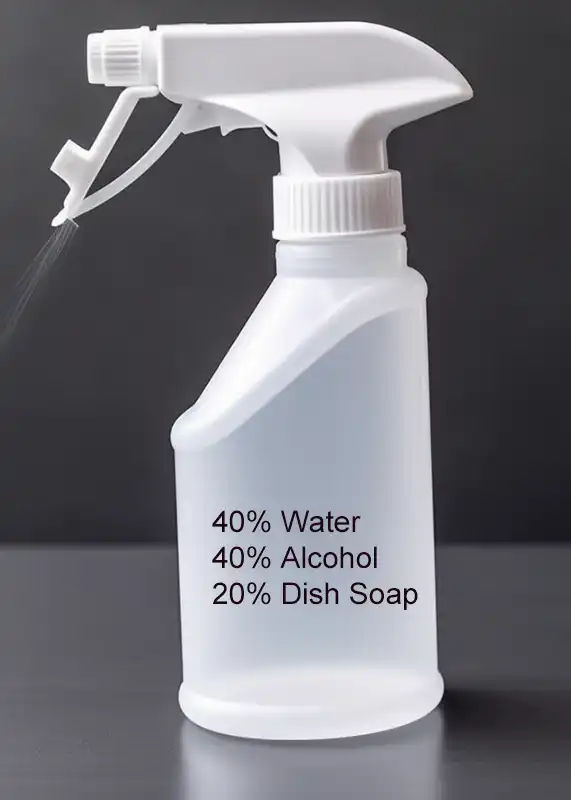
Plastic bottle used for spraying bed bug dust.

Where to Apply Bed Bug Dust

Apply bed bug dust only in cracks, crevices, joints, and other protected hiding spots. Good target areas can include bed frame joints, screw holes, headboard cracks, gaps along baseboards, furniture joints, and similar protected voids. If you need help finding those spots, use our inspection checklist.

Where Not to Apply It

Do not spread dust across mattresses, sheets, pillows, couches, carpet, floors, or other open surfaces. Do not coat the outside of a box spring or any area where people will sit, sleep, touch, or breathe it in regularly. Dust belongs in hidden harborage areas, not across the room.

Safety Tips

Wear a mask and apply the dust carefully so it stays out of the air. Keep the application light and follow the label for reapplication timing. If you are thinking about outlets or other wall voids, use dust there only if the label allows it and you can do it safely. Otherwise, leave those areas to a professional. Bed bug dust works slowly, so use it as one part of a larger plan that also includes inspection, vacuuming, laundering, monitoring, and repeat treatment.
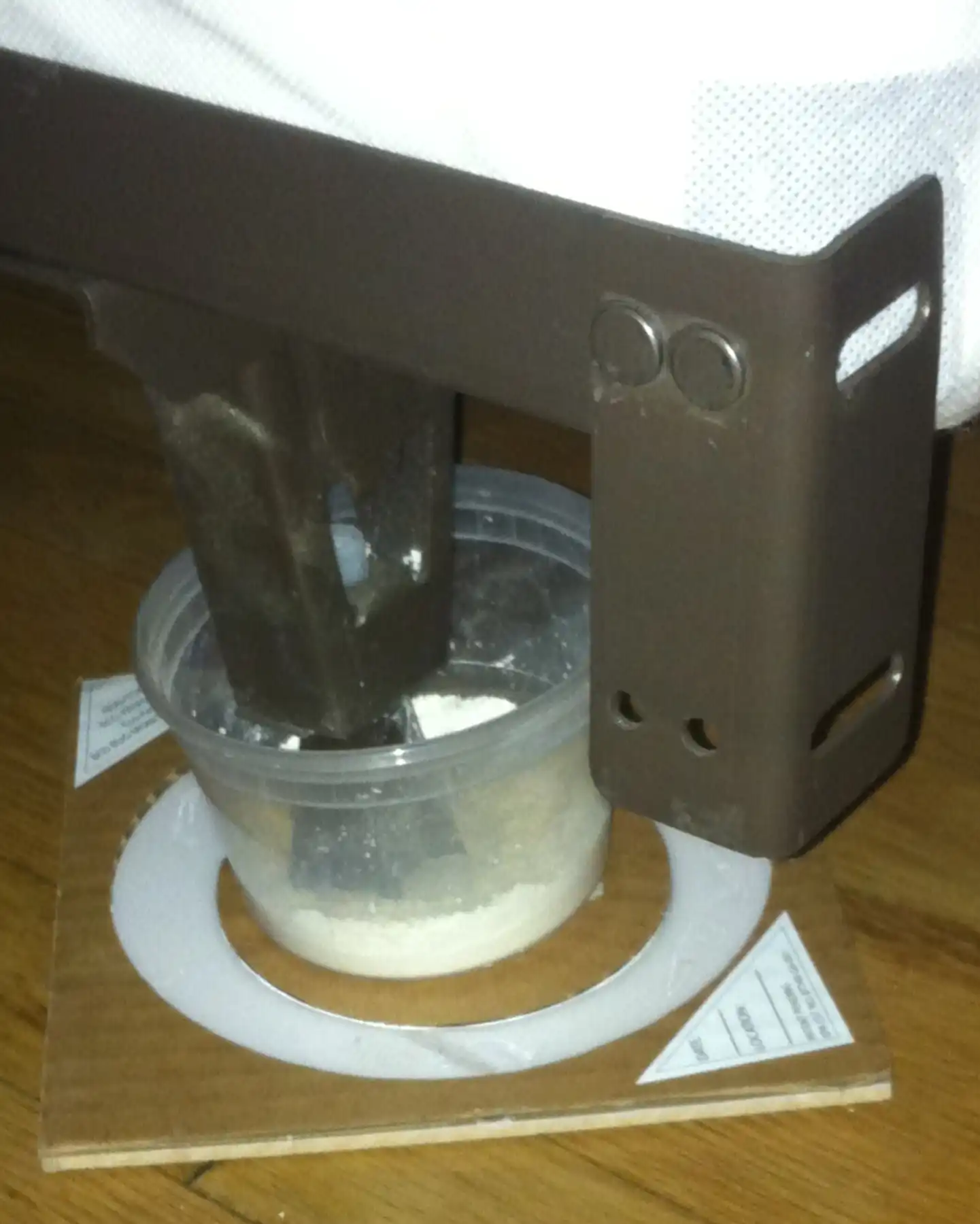
Leg of bed frame shown inside a bowl of bedbug dust.

What Kind of Bed Bug Dust to Buy

Look for an EPA-registered desiccant dust labeled for bed bug control. Some use diatomaceous earth and others use silica gel, but the important point is the label, not the marketing. These products are widely available through pest control suppliers, hardware stores, and online retailers.

If you are building out a broader treatment setup, pair the dust with products that actually support bed bug control instead of generic substitutes. Use mattress and box spring encasements that are specifically designed for bed bug control, not general dust mite covers. If you plan to use steam as part of the process, University of Minnesota Extension recommends a commercial steamer rather than a clothing steamer or carpet cleaning machine.

Bed bug dust is usually one of the lower cost parts of a treatment plan, but it still works best when combined with inspection, encasements, laundering, vacuuming, and follow up.

If you are using diatomaceous earth as part of a larger plan, our step-by-step guide to getting rid of bed bugs shows how to put the whole treatment together.
One Visitor's Experience Using DE

This testimonial is shared as one visitor’s personal experience, not as a standard application guide. The treatment method described below is much heavier than current EPA guidance, which recommends lighter, more targeted dust use in cracks and crevices.

A great testimonial to the power of Diatomaceous Earth by T.M

First off, my review is 100% true and 100% legit. Hate trying to read articles about something that goes out of its way to falsify information.

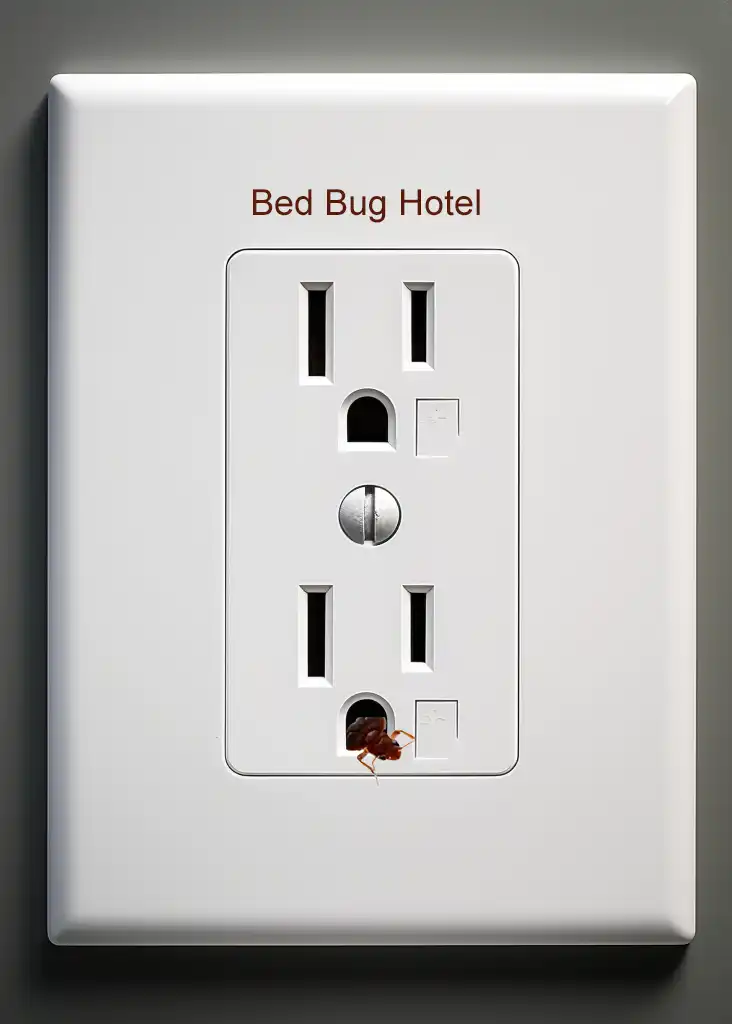
Bed bugs nest inside this electrical outlet.I got bed bugs because I stayed in many hotels because of my job. At first, my wife kept complaining about bites, but I never got bitten, so I thought maybe it was something else. Then, after about a year of infestation, I finally started getting bit.

I checked the bed for signs of bed bugs, and to my surprise, I couldn’t find anything. Finally, one day I spotted an adult bug running across the bed, which was the last straw! I found an infestation in my electrical outlet.

After much research, it finally came down to the Diatomaceous Earth (DE) solution. I don’t have children or pets and don’t like chemicals around me if they are unnecessary.

The infestation we had could be considered moderate. But, as some other commenters say, it is a slow killer. So if you are looking for an instant solution, use another method.

Fortunately for us, the bugs were in our bedroom only. So I first stripped down the bed, washed all sheets, blankets, etc., in hot water, and dried on hot like recommended.

Since we weren’t going to be in the room, I layered everything with diatomaceous earth; in-between box springs, under my mattress, the entire carpet area of the room including under the bed, my bed railing, headboard front and back, dressers front and back, wall outlets, my whole room was covered in a layer of bed bug powder.

I slept in our living room for a month, but since I had bugs for over a year, a month of not sleeping in my bed was worth it!

Two weeks after the initial treatment, I vacuumed everything except under the bed area. Next, I got a hot wet soapy towel, wiped down all the furniture to clean up the DE, and vacuumed the TOP of my mattress.

I left the DE on the backside of my headboard on the bottom of my mattress in between my box springs, the carpet under the bed, and inside the box springs. Then I put a red sheet on my bed for the next two weeks.

When I checked, I found what looked like tiny white cotton pieces, which were baby bed bugs curled up and dead. So I finally removed that sheet, rewashed and am now sleeping in my bed bug free room!

For those who completely remove the DE from infested areas, any remaining eggs hatch over time, and you may end up re-infested; that’s why I didn’t remove the DE from under the bed. When the eggs hatch and start moving around, they are exposed to dust and die off. I will keep the layers of dust there and reapply more in a few months just as a preventive measure.

If you use the DE, please PLEASE wear a dust mask. I’m a hard-head and applied the bed bug dust without one. The powder floated in the air; before I knew it, my nose hairs were dust-covered! For the next two days, my lungs hurt.

I bought a 4lb bag of DE at Lowes for less than $10. As I said, it’s not an instant solution, but it does work! It took me only one month to get rid of a medium-sized bed bug infestation – well worth the time!

What to Do Next

Bed bug dust can help, but it works best when you use it as one part of a full treatment plan. If you are ready to put the whole process together, start with our how to get rid of bed bugs guide.

If you still need to confirm where bed bugs are hiding before you apply anything, use our bed bug inspection checklist. If you want a simple way to monitor activity after treatment, see our bed bug traps guide.

T.M.

© 2008-2026 BadBedBugs.com - Proven DIY bed bug help since 2008.
No information on this site should be considered medical advice. We make no guarantees; what worked for someone else may not work for you. About Our Website · Privacy Policy · Conditions of Use